
Dog owners sometimes attempt training with whatever equipment happens to be lying around, discovering too late that proper tools matter considerably more than they anticipated. Most people underestimate how much the right gear influences whether training sessions succeed or become frustrating exercises in futility. Contemporary dog owners now recognise that selecting appropriate dog training accessories transforms what could feel like impossible behaviour challenges into manageable projects. The difference between frustrated owners and successful trainers often comes down to having equipment designed specifically for the job. Proper accessories occasionally turn stubborn dogs into willing learners within weeks. Understanding why equipment quality matters reveals opportunities most dog owners never explore thoroughly. Training success depends entirely upon having tools matching your dog’s temperament and learning style rather than accepting generic solutions blindly.
Matching Leash Types To Dogs
Standard leashes occasionally fail, controlling strong dogs who pull relentlessly. Retractable leads sometimes create dangerous situations nobody anticipates beforehand. Accessories like front-clip harnesses occasionally eliminate pulling problems completely within days. Long lines sometimes enable recall training impossible with standard six-foot leashes. Slip leads occasionally provide control without appearing harsh or restrictive. Choosing appropriate leash types sometimes requires understanding individual dog responses. Equipment matching specific dog needs occasionally transforms training frustration into genuine progress remarkably quickly.
Using Positive Reinforcement Tools
Treat pouches occasionally to keep rewards immediately accessible, preventing training delays. Clicker devices sometimes create clear communication dogs understand instantly. Target sticks occasionally teach focus impossible achieving through voice commands alone. Training bells occasionally facilitate door manners, teaching dogs to signal needs appropriately. Dog training tools designed for positive reinforcement work surprisingly effectively. Equipment supporting reward-based methods occasionally produces faster learning than outdated punishment approaches. Dogs occasionally respond enthusiastically when training methods feel rewarding rather than punitive.
Creating Distraction-Free Training
Training occasionally fails when environmental distractions overwhelm dogs’ attention spans. Exercise pens occasionally create contained spaces where dogs focus on handlers. Training mats occasionally establish training zones dogs associate with learning. Noise-reducing covers occasionally help anxious dogs concentrate better. Long lines occasionally permit off-leash training in unsafe areas. Distraction management through proper equipment sometimes determines whether training sticks or fails. Environmental control occasionally matters more than handler skill regarding training success.
Building Confidence In Shy Dogs
Anxious dogs occasionally respond better to training tools providing security. Anxiety wraps occasionally to calm nervous dogs, enabling learning. Tunnel equipment occasionally helps shy dogs build confidence gradually. Training vests occasionally identify working dogs,, reducing random stranger interactions. Covered crates occasionally provide safe spaces dogs retreat to during overwhelming moments. Confidence building sometimes requires equipment; creating security dogs needs initially. Fearful dogs occasionally flourish once proper safety mechanisms exist.
Developing Obedience Systematically
Training sequences sometimes require equipment matching progressive difficulty levels. Hurdles occasionally teach jumping on command safely. Weave poles occasionally develop focus and coordination simultaneously. Platform equipment occasionally teaches positioning impossible explaining verbally. Cone placement occasionally guides movement patterns dogs learn recognising. Structured equipment sometimes makes obedience training feel like games. Systematic progression occasionally keeps both dogs and handlers engaged consistently.
Preventing Unwanted Behaviours
Anti-bark training occasionally requires specific equipment addressing individual dog responses. Jumping occasionally reduces dramatically through proper harness selection. Chewing occasionally redirects toward appropriate toys with correct equipment. Aggression occasionally improves through proper management tools. Door-dashing occasionally stops when appropriate barriers exist. Digging occasionally redirects towards designated areas with proper setup. Prevention sometimes works better than attempting correcting established problems.
Encouraging Social Interaction
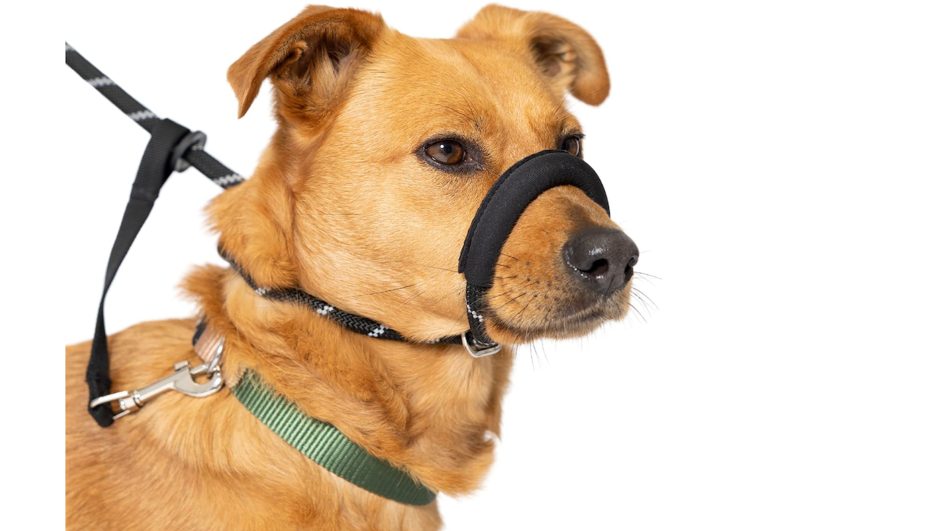
Training accessories occasionally facilitate dog park socialisation safely. Flexi-leads occasionally enable controlled socialisation interactions. Muzzles occasionally permit safe meetings with nervous dogs. Long lines occasionally allow freedom while maintaining handler control. Gentle leader equipment occasionally helps reactive dogs manage other dogs better. Socialisation sometimes requires equipment enabling safe positive interactions. Dogs occasionally develop better social skills through properly managed experiences.
Conclusion
Dog training accessories transform how owners approach behaviour modification successfully. Leash types match different dog temperaments and situations. Positive reinforcement tools create effective communication. Distraction management focuses on training. Confidence-building equipment helps anxious dogs. Systematic progression keeps training engaging. Unwanted behaviour prevention becomes possible. Social interaction happens safely. Those investing in quality dog training accessories discover a training transformation exceeding expectations considerably.