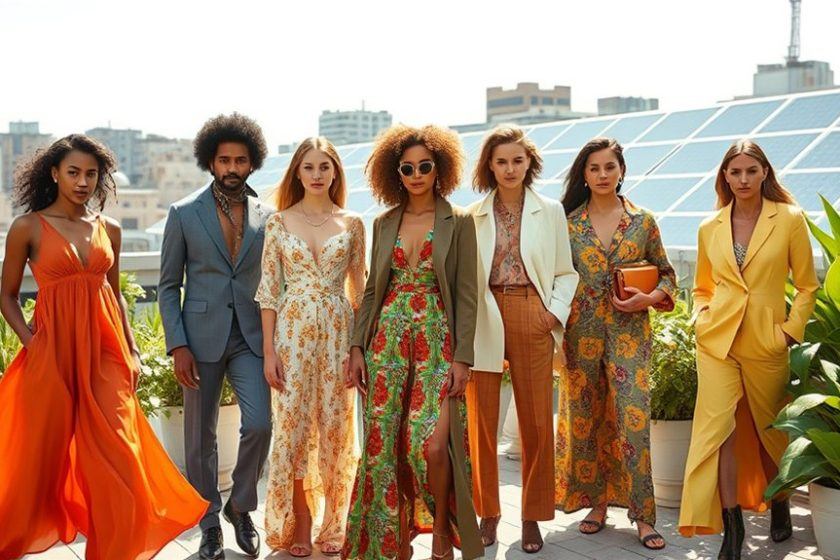
Sustainable fashion has evolved from a niche concept into a global movement reshaping how consumers, brands, and designers approach clothing. With increasing awareness of environmental issues such as climate change, waste, and ethical labor practices, more people are embracing sustainable fashion ideas to reduce their impact on the planet. Influential organizations like United Nations Environment Programme and campaigns such as Fashion Revolution have played a key role in educating consumers about responsible fashion choices.
In this comprehensive guide, we explore practical and stylish sustainable fashion ideas, highlight leading eco-conscious brands like Patagonia and Stella McCartney, and provide actionable tips for building a wardrobe that aligns with your values.
What Is Sustainable Fashion?
Sustainable fashion refers to clothing, accessories, and footwear that are designed, manufactured, distributed, and used in environmentally and socially responsible ways. It addresses issues like excessive waste, water pollution, and unethical labor practices often associated with fast fashion brands such as Zara and H&M.
The concept encompasses several key principles:
- Reducing environmental impact
- Supporting ethical labor practices
- Promoting long-lasting, high-quality products
- Encouraging conscious consumption
Why Sustainable Fashion Matters
The global fashion industry is one of the largest polluters in the world. According to reports from the World Bank, textile production contributes significantly to water pollution and carbon emissions. Additionally, events like the Rana Plaza Collapse exposed the dangerous working conditions in the garment industry.
Choosing sustainable fashion helps:
- Reduce textile waste in landfills
- Conserve water and energy
- Support fair wages and safe working conditions
- Minimize carbon footprint
Top Sustainable Fashion Ideas
1. Build a Capsule Wardrobe
A capsule wardrobe consists of a limited number of versatile pieces that can be mixed and matched. This approach reduces unnecessary purchases and encourages thoughtful styling.
For inspiration, many minimalist influencers follow the philosophy popularized by figures like Marie Kondo, focusing on quality over quantity.
Tips:
- Choose neutral colors
- Invest in timeless designs
- Prioritize durability
2. Choose Sustainable Brands
Supporting eco-conscious brands is one of the most effective sustainable fashion ideas. Companies like Everlane emphasize transparency, while Reformation focuses on low-impact materials and production processes.
Luxury designers such as Stella McCartney have pioneered cruelty-free and environmentally friendly fashion, avoiding leather and fur.
3. Shop Second-Hand and Vintage
Buying pre-owned clothing extends the life cycle of garments and reduces demand for new production. Platforms like Depop and ThredUp have made second-hand shopping more accessible than ever.
Vintage fashion also allows you to explore unique styles while reducing environmental impact.
4. Opt for Eco-Friendly Fabrics
The materials used in clothing play a crucial role in sustainability. Look for fabrics such as:
- Organic cotton
- Hemp
- Tencel (lyocell)
- Recycled polyester
Brands like Adidas have introduced collections made from recycled ocean plastic in collaboration with environmental groups.
5. Practice Clothing Care and Repair
Extending the life of your clothes is a simple yet powerful sustainable fashion idea. Proper care reduces the need for frequent replacements.
Best practices:
- Wash clothes in cold water
- Air dry instead of using dryers
- Repair minor damages instead of discarding
DIY repair culture has grown significantly, with tutorials widely shared across platforms like YouTube.
6. Embrace Clothing Rental Services
Fashion rental services are gaining popularity, especially for special occasions. Companies like Rent the Runway allow consumers to enjoy designer outfits without long-term ownership.
This reduces waste and promotes circular fashion.
7. Support Local and Ethical Designers
Buying from local artisans reduces transportation emissions and supports small businesses. In regions like Pakistan, many designers are embracing sustainable practices by using handwoven fabrics and traditional techniques.
Supporting local brands also preserves cultural heritage while promoting eco-friendly production.
8. Avoid Fast Fashion Trends
Fast fashion encourages overconsumption and waste. Instead of chasing trends popularized by celebrities such as Kim Kardashian, focus on personal style and timeless pieces.
Mindful shopping helps reduce impulse purchases and environmental impact.
9. Upcycle and Recycle Clothing
Upcycling involves transforming old garments into new items. For example, turning jeans into shorts or repurposing fabric into accessories.
Organizations like Ellen MacArthur Foundation advocate for circular fashion systems where materials are reused and recycled continuously.
10. Educate Yourself and Advocate
Awareness is key to sustainable fashion. Follow campaigns like Fashion Revolution and participate in events such as Fashion Revolution Week to stay informed.
Advocating for transparency and ethical practices encourages brands to adopt sustainable policies.
Sustainable Fashion and Technology
Technology is transforming sustainable fashion in remarkable ways. Innovations include:
- AI-driven design to reduce waste
- Blockchain for supply chain transparency
- 3D printing to minimize material usage
Companies like Nike are investing in sustainable manufacturing technologies, including zero-waste production methods.
The Role of Influencers and Media
Social media platforms such as Instagram and TikTok play a major role in promoting sustainable fashion ideas. Influencers are increasingly advocating for slow fashion and conscious consumption.
Celebrities like Emma Watson have used their platforms to highlight ethical fashion brands and sustainable choices.
Challenges in Sustainable Fashion
Despite its benefits, sustainable fashion faces several challenges:
- Higher costs compared to fast fashion
- Limited availability in some regions
- Greenwashing by brands falsely claiming sustainability
Consumers must research brands carefully and rely on credible certifications and organizations.
How to Start Your Sustainable Fashion Journey
If you’re new to sustainable fashion, start with small steps:
- Audit your current wardrobe
- Donate or recycle unused clothes
- Invest in quality over quantity
- Support ethical brands
- Stay informed through reliable sources
Gradual changes can lead to long-term impact.
Future of Sustainable Fashion
The future of sustainable fashion looks promising as more brands, governments, and consumers embrace eco-friendly practices. Initiatives supported by the United Nations aim to make sustainability a global standard in the fashion industry.
With advancements in technology and increased awareness, sustainable fashion is expected to become more accessible and affordable.
Conclusion
Sustainable fashion is not just a trend—it is a necessary shift toward a more responsible and ethical industry. By adopting sustainable fashion ideas such as building a capsule wardrobe, choosing eco-friendly fabrics, and supporting ethical brands like Patagonia and Reformation, individuals can make a meaningful difference.
Every purchase decision has an impact. By prioritizing sustainability, consumers can contribute to a healthier planet, support fair labor practices, and redefine the future of fashion.