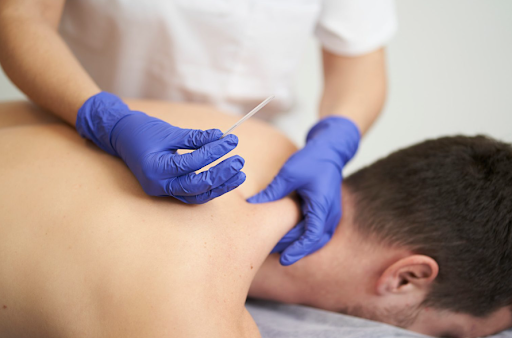
Muscular pain can creep into a person’s life, affecting their normal activities or activities of choice at the weekends. If there is a perceived resistance to moving, it is particularly concerning. Advanced dry needling techniques are a concentrated method which some clinicians employ in their personalised physiotherapy treatment. Small, sterile needles in specific muscle tissues of the body after careful assessment. Appropriate treatment can aid in reducing pain and allow for more natural and painless movement. It is often most useful in it when integrated with professional judgement and experience and day-to-day support. It enables people to think about their ease and physical welfare and select appropriately.
Targeted Relief
Any unfamiliar motion, when experienced with persistent muscle tension, may feel restricted, awkward or unnecessarily difficult. Successful practitioners make observations of symptoms and patterns of movement and determine what areas might be touched up. Some types of musculoskeletal pain may benefit in the short term from advanced dry needling. The method is not used throughout the whole area but on specific tissues. Others report being more comfortable when treated and then eased into movement over time. The results will vary, but personalised suggestions for responsible clinical care are important.
Easier Movement
Easy mobility contributes to a better enjoyment of daily life such as gardening, going outside or reaching up to high places. Once pain in muscles subsides, the patient may more easily be able to confidently engage in certain activities. Specially designed moderate exercises, based on individual ability and goals, are commonly used together with the needling. This also helps to foster a mindset for people to try to regularly do something at which they are comfortable, instead of “trying not to”. With greater confidence, following a recognised rehabilitation programme may seem more attainable. The careful transition is still relevant, especially if signs and symptoms are not the same during various activities in the day.
Personalised Attention
Each person’s aching resonates at a distinct level, in unique patterns and affects everyday life in a unique way. A trained provider takes into account illness and your exam results and your taste before recommending treatments. Based on that discussion, the needling program is considered and included in a plan that is suitable and personalised. It is possible to ask patients any questions regarding the procedure, the sensation that would be expected and reasonable treatment objectives. Informational explanations also foster consent and a significantly improved clinical experience. This type of approach involves collaboration, rather than making assumptions about what is supposed to work.
Daily Confidence
In some ways, physical confidence is re-established through simple, comforting experiences where activities or events that have previously seemed overwhelming are done again in a way that feels comfortable. They start off with simple movements and slowly work their way back into more complex exercises. If used correctly, advanced dry needling can be part of this step-by-step procedure of supported rehabilitation. Patients can access further suggestions to support comfortable pacing and encourage self-recognition of changes in function. Treatment plus practical self-management techniques may help provide increased confidence between treatments. Day-to-day independence can seem more possible and gratifying.
Active Recovery
The successful recovery process means so much more than receiving treatment at an appointed time. Movement education and selecting the right kinds of exercise and play continue to be essential components of a rehabilitation programme. In addition to these, the use of needle-type surgery may be considered if this is considered appropriate by the assessments. It is an integrated approach to help the patient relate clinical treatment to real situations outside the clinic. Gentle strengthening can also promote the ability to do activities they are interested in. Clinician-led discussion will help to maintain activities to support evolving personal goals and abilities.
Thoughtful Care
When the treatment is explained well, and patients are completely at ease in expressing what they like, patients grow more into it. An appropriate hygienic procedure is adopted by trainers who use sterile, single-use needles during treatment. They also examine the medical information, give consideration to suitability and then suggest which techniques may be suitable. Knowing these facts will aid in informed decision making, a well-planned appointment process. Progress reviews can enable the goals of treatment to be personalized to the responses and priorities of the treatment recipient. The collaborative care setting allows for questions, reassurance and positive dialogue regarding next steps.
Conclusion
Better movement can change the unremarkable to the remarkable over a period of time! However, for the right people, advanced dry needling can offer short-term pain relief in the midst of rehabilitation efforts. Its usefulness requires judicious evaluation, aptitude and ideally qualified professional skill. Long-term care is characterised by exercise and supportive education and personalised activity plans. Instead of guaranteeing equality, proper treatment focuses on personal improvement. Patients will have an opportunity to become more independent when exercising with good guidance and learn constructive approaches to feeling more confident in their ability to move. The ultimate goal is to engage and live a normal life with informed decisions.