Smart home decor is revolutionizing how people design, organize, and experience their living spaces. By combining aesthetics with advanced technology, homeowners can create environments that are not only visually appealing but also highly functional and efficient. As innovations from companies like Google, Amazon, and Apple continue to evolve, smart home decor has become a key trend in modern interior design.
In this comprehensive guide, we will explore the concept of smart home decor, its benefits, essential devices, design tips, and future trends to help you create a stylish and intelligent home.
What is Smart Home Decor?
Smart home decor refers to the integration of connected devices and technologies into home design to enhance comfort, convenience, security, and energy efficiency. Unlike traditional interior design, smart home decor focuses on blending devices such as smart lighting, thermostats, and voice assistants seamlessly into your living environment.
Devices like Google Nest Thermostat and Amazon Echo are designed not only to perform functions but also to complement modern home aesthetics.
Benefits of Smart Home Decor
1. Enhanced Convenience
Smart home systems allow you to control various aspects of your home with minimal effort. Using mobile apps like Google Home or Apple Home, you can manage lighting, temperature, and security from anywhere.
2. Energy Efficiency
Energy-saving devices are at the core of smart home decor. Products like Philips Hue Smart Bulbs automatically adjust brightness based on natural light, helping reduce electricity consumption.
3. Improved Security
Smart security devices such as Ring Video Doorbell offer real-time monitoring, motion detection, and remote access, ensuring your home remains safe at all times.
4. Modern Aesthetic Appeal
Smart home devices are designed with sleek, minimalist styles that align with contemporary decor trends. Brands like Samsung and IKEA are creating products that merge functionality with design elegance.
Essential Smart Home Decor Devices
Smart Lighting Systems
Lighting plays a crucial role in interior design. Smart lighting systems such as Philips Hue Bridge allow you to customize colors, brightness, and ambiance according to your mood or time of day.
You can create dynamic lighting scenes for different occasions—relaxing evenings, productive work hours, or entertaining guests.
Smart Speakers and Voice Assistants
Voice-controlled devices like Google Nest Audio and Apple HomePod act as central hubs for managing your smart home. They integrate seamlessly into your decor while providing hands-free control.
Smart Thermostats
Maintaining optimal temperature is essential for comfort. Devices like Ecobee SmartThermostat learn your preferences and adjust settings automatically, improving both comfort and efficiency.
Smart Furniture
Smart furniture is an emerging trend in home decor. Companies like IKEA offer furniture with built-in wireless charging, storage solutions, and integrated lighting.
Smart Security Systems
Modern smart decor includes security elements such as cameras, locks, and alarm systems. Products from Arlo Technologies provide high-quality surveillance without compromising aesthetic appeal.
Design Tips for Smart Home Decor
1. Blend Technology with Interior Style
One of the biggest challenges is ensuring that technology complements your decor. Choose devices with neutral colors, clean lines, and compact designs.
For example, pairing minimalist furniture with sleek devices like Apple HomePod mini can enhance the overall visual harmony.
2. Focus on Lighting Layers
Layered lighting is essential in smart home decor. Combine ambient, task, and accent lighting using systems like LIFX Smart Bulbs to create depth and mood.
3. Use Hidden Technology
Incorporate hidden or discreet devices to maintain a clutter-free look. Smart plugs, concealed speakers, and integrated lighting systems can keep your space looking clean and organized.
4. Optimize Space with Smart Storage
Smart storage solutions help maximize space efficiency. Furniture with built-in sensors or modular designs can adapt to your needs while maintaining a stylish appearance.
5. Create Automated Scenes
Automation is a key feature of smart homes. Using platforms like Amazon Alexa, you can create scenes such as “Movie Night” or “Morning Routine” that adjust lighting, temperature, and entertainment systems simultaneously.
Smart Home Decor for Different Rooms
Living Room
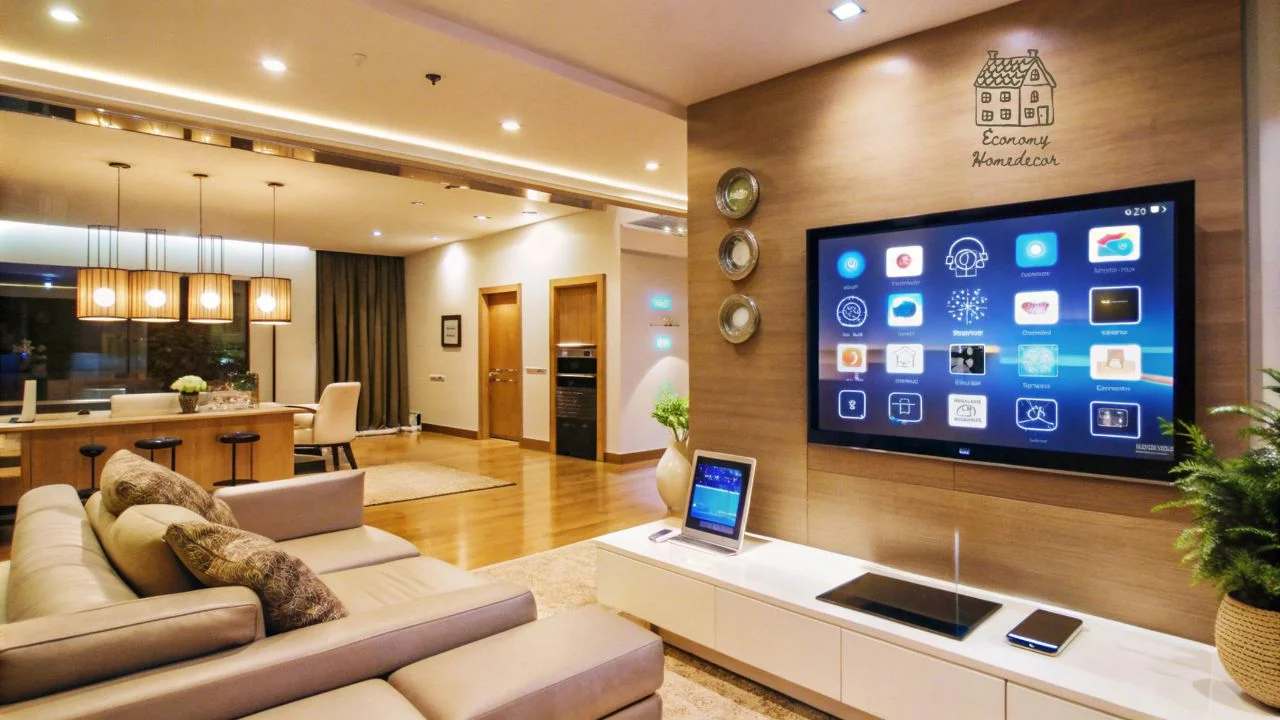
The living room is the heart of any home and a perfect place to implement smart decor. Use smart TVs, ambient lighting, and voice assistants to create a comfortable and modern space.
Devices from Sony and LG offer advanced features that enhance both functionality and style.
Bedroom
In the bedroom, focus on comfort and relaxation. Smart lighting, temperature control, and automated curtains can create a soothing environment.
Products like Google Nest Hub can act as bedside assistants, helping manage schedules and sleep routines.
Kitchen
Smart kitchens are becoming increasingly popular. Appliances from Whirlpool Corporation and Bosch offer connectivity features that simplify cooking and meal preparation.
Bathroom
Smart mirrors, automated lighting, and temperature-controlled showers can transform bathrooms into luxurious spaces. These features add both convenience and elegance.
Future Trends in Smart Home Decor
Artificial Intelligence Integration
Artificial intelligence is playing a significant role in smart home decor. Systems powered by AI can learn user preferences and adjust settings automatically.
Sustainable Smart Homes
Sustainability is becoming a priority in modern living. Smart devices are being designed to reduce energy consumption and environmental impact.
Voice and Gesture Control
The future of smart homes includes more intuitive control methods, such as voice and gesture recognition, making interactions even more seamless.
Smart Materials and Surfaces
Innovations in materials are leading to the development of smart surfaces that can change color, display information, or generate energy.
Challenges of Smart Home Decor
While smart home decor offers numerous benefits, there are some challenges to consider:
- Cost: High-quality smart devices can be expensive.
- Compatibility: Not all devices work seamlessly together.
- Privacy Concerns: Data security is an important consideration when using connected devices.
However, continuous advancements by companies like Microsoft are addressing these issues, making smart homes more accessible and secure.
How to Get Started with Smart Home Decor
If you are new to smart home decor, start small and gradually expand your setup:
- Begin with smart lighting or a voice assistant.
- Add a smart thermostat for energy efficiency.
- Integrate security devices for safety.
- Expand into smart furniture and appliances.
Using ecosystems like Apple HomeKit or Google Assistant can help ensure compatibility and ease of use.
Conclusion
Smart home decor is redefining modern living by merging technology with design. With innovations from industry leaders like Google, Amazon, and Apple, homeowners can create spaces that are not only stylish but also intelligent and efficient.
By carefully selecting devices, focusing on design harmony, and embracing automation, you can transform your home into a smart, comfortable, and future-ready environment. As technology continues to evolve, smart home decor will remain at the forefront of interior design trends, offering endless possibilities for innovation and personalization.