
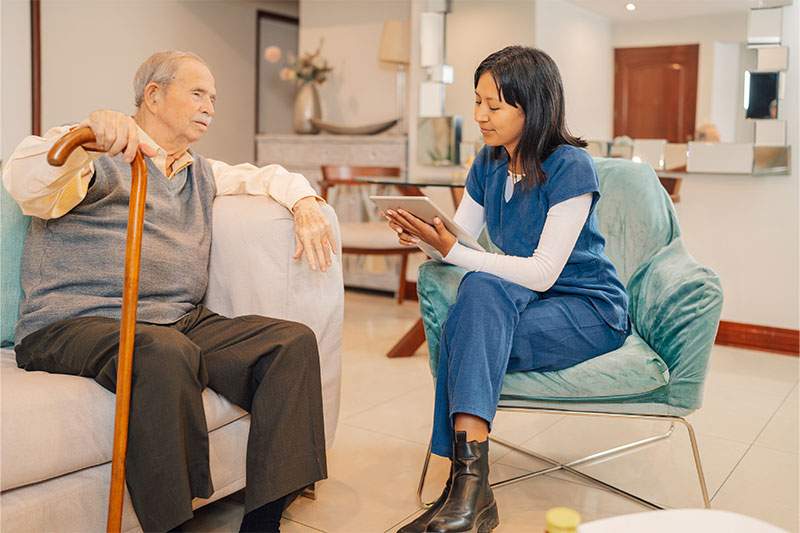
Non-medical home health care provides individuals with practical assistance, companionship, and everyday support while allowing them to remain comfortable in their own homes. For older adults, people recovering from illness, and individuals who need help with daily routines, this type of care can make life easier without requiring medical treatment or a move into a residential care facility. Families exploring non medical home health care often want a dependable solution that supports independence, safety, dignity, and quality of life.
Unlike skilled nursing services, non-medical home care focuses on daily living activities rather than medical procedures. Caregivers help with tasks such as bathing, dressing, meal preparation, light housekeeping, mobility, and companionship. The goal is to make everyday life more manageable for individuals while giving family members greater peace of mind.
What Is Non-Medical Home Health Care?
Non-medical home health care is a service that provides personal assistance and household support to people who need help managing everyday activities. It is generally delivered by trained caregivers, home care aides, or personal care assistants who do not perform skilled medical procedures unless they have the appropriate qualifications and authorization.
This type of care is particularly helpful for seniors who want to continue living at home but may struggle with certain daily responsibilities. It can also support individuals with physical limitations, disabilities, or temporary mobility challenges.
Non-medical caregivers may assist clients with routine activities, provide emotional support, help maintain a clean living environment, and accompany them to appointments or community activities. Services can be arranged for a few hours per day, overnight, on weekends, or through longer care schedules depending on the individual’s circumstances.
Who Can Benefit From Non-Medical Home Care?
Non-medical home care is suitable for a wide range of individuals who need practical support but do not necessarily require medical supervision around the clock.
Seniors Living Independently
Older adults who live alone may find everyday activities increasingly difficult. Assistance with cooking, bathing, grocery shopping, and household chores can help them maintain independence while reducing the stress associated with managing daily routines.
Individuals With Mobility Challenges
People who have difficulty walking, standing, transferring between chairs, or navigating their homes may benefit from assistance with movement and everyday tasks. Caregivers can help reduce common household risks and provide support during routine activities.
Individuals Recovering From Surgery or Illness
After a hospital stay, some individuals need assistance with daily activities while regaining strength and mobility. Non-medical caregivers can help with meals, personal hygiene, transportation, and household tasks during recovery, while medical needs remain under the care of qualified healthcare professionals.
Families Managing Caregiving Responsibilities
Family members often balance caregiving with employment, household responsibilities, and personal commitments. Professional home care can provide respite, allowing family caregivers to rest, work, or spend meaningful time with their loved ones without constantly managing every caregiving task.
Common Services Offered by Non-Medical Home Care Providers
Non-medical home care services are typically tailored to the client’s needs, preferences, and daily routines.
Personal Care Assistance
Personal care is one of the most common services provided by non-medical caregivers. It helps individuals maintain hygiene, comfort, and dignity when certain activities become difficult.
Caregivers may assist with:
- Bathing and showering.
- Dressing and grooming.
- Toileting and continence-related routines.
- Oral hygiene.
- Walking and mobility assistance.
- Safe transfers between beds, chairs, or other surfaces, when appropriately trained.
Personal care services are delivered with respect for privacy and individual preferences, helping clients feel comfortable throughout the day.
Meal Preparation and Nutrition Support
Preparing balanced meals can become challenging for people with limited mobility, fatigue, or other physical limitations. Caregivers may prepare meals based on the client’s preferences, assist with eating when appropriate, and help organize grocery shopping.
Consistent meal preparation can support regular eating habits and make daily nutrition easier to manage. Caregivers should follow any dietary guidance provided by qualified healthcare professionals.
Companionship and Emotional Support
Loneliness and social isolation can affect emotional well-being, particularly among older adults who live alone or have limited opportunities to socialize.
Companion care helps individuals stay socially connected through conversation, recreational activities, reading, walks, hobbies, and other enjoyable routines. A caregiver can also accompany clients to family gatherings, community events, or appointments.
Regular companionship can create meaningful social interactions and help clients feel more engaged in their daily lives.
Light Housekeeping
Maintaining a clean and organized home can become physically demanding. Non-medical caregivers may assist with everyday household tasks, including:
- Washing dishes and cleaning kitchen surfaces.
- Laundry and folding clothes.
- Changing bed linens.
- Sweeping and vacuuming.
- Organizing frequently used household items.
- Keeping commonly used spaces tidy.
These tasks can help create a more comfortable living environment while reducing the burden on clients and their families.
Transportation and Errand Assistance
Transportation support can help individuals remain active and access essential services. Depending on the care arrangement, caregivers may accompany clients to medical appointments, grocery stores, pharmacies, social gatherings, and other destinations.
Caregivers may also assist with errands such as collecting groceries, picking up household supplies, or organizing essential items. Transportation arrangements should account for the client’s mobility needs and safety requirements.
Non-Medical Home Care vs. Medical Home Health Care
Although the terms are sometimes used interchangeably, non-medical home care and medical home health care serve different purposes.
Non-medical home care focuses on personal assistance, companionship, household support, and daily living activities. Medical home health care, on the other hand, involves healthcare services delivered by licensed or qualified professionals, such as nurses, therapists, or other clinical providers.
Medical home health services may include wound care, medication administration, rehabilitation therapy, clinical monitoring, or other skilled interventions depending on the provider and the patient’s needs.
Non-medical home care supports everyday living, while medical home health care addresses clinical needs.
Some individuals may benefit from both types of services. For example, a senior recovering from surgery may receive physical therapy from a qualified therapist while a non-medical caregiver assists with meals, bathing, laundry, and transportation.
Understanding the distinction helps families choose the right level of support without overlooking medical requirements.
How to Choose a Reliable Non-Medical Home Care Provider
Selecting a home care provider requires careful consideration because caregivers may spend significant time inside a client’s home and assist with personal activities.
Families should look for providers that conduct appropriate background checks, verify caregiver qualifications, offer relevant training, and establish clear care plans. Communication should be transparent, with a reliable process for handling emergencies, caregiver absences, and changes in client needs.
It is also helpful to discuss scheduling flexibility, service costs, caregiver compatibility, and the specific tasks included in the care arrangement before starting services.
Families should ask whether caregivers are trained to assist with mobility, personal hygiene, dementia-related challenges, or other needs relevant to the client. The provider should clearly explain which tasks caregivers are permitted to perform and when a qualified medical professional is required.
A reputable home care provider prioritizes client dignity, safety, consistency, and communication rather than making unrealistic promises.
How Non-Medical Home Care Improves Quality of Life
Non-medical home care can make a meaningful difference in how individuals experience everyday life. By receiving assistance with challenging tasks, clients can focus more on activities they enjoy, maintain familiar routines, and remain connected to their communities.
Living at home often allows individuals to retain greater control over their schedules, meals, surroundings, and personal preferences. With appropriate caregiver support, everyday responsibilities can become less stressful and more manageable.
Families can also benefit from professional assistance. Having a dependable caregiver helps reduce caregiving pressure, improves coordination, and allows family members to spend more time building relationships rather than managing every household and personal care task.
Final Thoughts
Non-medical home health care is an important option for individuals who need everyday assistance but want to maintain their independence and continue living in familiar surroundings. From personal care and companionship to meal preparation, transportation, and light housekeeping, these services can address a variety of daily needs.
Choosing the right provider involves understanding the client’s requirements, evaluating caregiver qualifications, and establishing a flexible care plan. With appropriate support, non-medical home care can help individuals enjoy greater comfort, dignity, independence, and peace of mind while giving families confidence that their loved ones are receiving dependable assistance.