
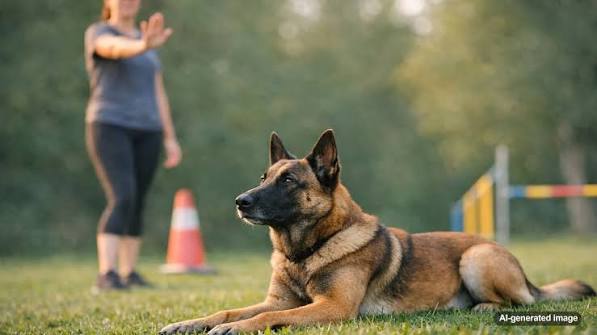
Helping a fearful or anxious pet become a confident companion starts with understanding the reasons behind their behavior. Dog training for nervous dogs focuses on building trust, improving communication, and creating positive experiences that help dogs feel safe. At Rob’s Dog Training, structured training methods help owners support dogs that struggle with fear, uncertainty, or stress in everyday situations.
Nervous dogs are not necessarily disobedient. Many are responding to past experiences, unfamiliar environments, genetic traits, or a lack of early socialization. With patience, consistency, and the right approach, owners can help their dogs develop better coping skills and stronger confidence.
Understanding Why Dogs Become Nervous
A nervous dog may react differently depending on the situation. Some dogs hide, avoid interaction, bark excessively, pull away on walks, or show signs of stress around strangers, other animals, or new environments.
Common causes of nervous behavior include:
- Limited socialization during puppy development
- Previous negative experiences or trauma
- Changes in household routines
- Sensitivity to loud noises or unfamiliar surroundings
- Lack of confidence when facing new challenges
Understanding the cause of anxiety is an important first step. Training works best when owners recognize that fear-based behaviors are often a communication signal rather than a sign of stubbornness.
A professional approach helps identify triggers and create a customized training plan. Instead of forcing a dog into uncomfortable situations, effective training gradually introduces challenges while rewarding calm and confident behavior.
How Dog Training for Nervous Dogs Builds Confidence
Confidence does not develop overnight. Nervous dogs need opportunities to succeed through small, manageable steps. Training sessions should focus on creating positive associations and helping dogs understand that new experiences can be safe.
Key elements of confidence-building training include:
Positive Reinforcement
Reward-based training encourages dogs to repeat behaviors that lead to positive outcomes. Treats, praise, play, and other rewards help dogs understand what actions are expected while strengthening their relationship with their owner.
For nervous dogs, positive reinforcement is especially valuable because it reduces pressure and allows them to learn at a comfortable pace.
Consistent Communication
Dogs feel more secure when expectations are clear. Mixed signals can increase confusion and make anxious behaviors harder to manage.
Owners should use consistent commands, routines, and responses. Whether teaching basic obedience commands or addressing fearful reactions, consistency helps dogs predict what will happen next.
Gradual Exposure
A nervous dog should not be overwhelmed with intense situations immediately. Gradual exposure introduces triggers at a level the dog can handle while rewarding calm responses.
For example, a dog that fears unfamiliar people may begin by observing visitors from a distance. Over time, carefully managed interactions can help reduce fear and increase comfort.
Dog Training for Nervous Dogs Requires Patience and Structure
Many owners expect quick changes, but confidence-building requires time and repetition. Every dog learns differently, and progress may look different depending on the dog’s history, personality, and comfort level.
A structured training plan may include:
- Identifying specific fears and triggers
- Teaching foundational obedience skills
- Practicing calm behavior in controlled environments
- Slowly introducing new experiences
- Reinforcing progress consistently
The goal is not simply to stop unwanted behaviors. The goal is to teach dogs healthier ways to respond when they feel uncertain.
A nervous dog that learns to focus on commands, trust guidance, and recover from stressful situations becomes easier to manage at home and in public.
The Role of Obedience Training in Reducing Anxiety
Basic obedience training provides nervous dogs with valuable skills they can rely on during stressful moments. Commands such as sit, stay, come, and place give dogs clear instructions when they feel unsure.
Training also creates mental stimulation. Many anxious behaviors increase when dogs lack structure, engagement, or appropriate outlets for energy.
Obedience training can help dogs:
- Improve focus around distractions
- Develop self-control
- Build trust with their owners
- Feel more confident in unfamiliar situations
- Respond appropriately instead of reacting out of fear
A well-trained dog is not one that never experiences stress. It is one that has learned how to handle challenges with guidance and support.
Avoiding Common Mistakes When Training an Anxious Dog
Owners often want to help their nervous dogs, but some common approaches can unintentionally make anxiety worse.
One mistake is pushing a dog too quickly into a situation that causes fear. While exposure is part of training, overwhelming a dog can increase stress and reduce confidence.
Another mistake is accidentally rewarding fearful behavior. Comforting a dog excessively during a fearful reaction may sometimes reinforce the idea that the situation is dangerous. Instead, owners should remain calm and encourage confident choices.
Additional mistakes to avoid include:
- Using harsh corrections for fear-based behaviors
- Expecting immediate results
- Ignoring early signs of stress
- Skipping consistent practice
- Comparing one dog’s progress to another
Successful training focuses on understanding the individual dog and creating a plan that supports long-term improvement.
Creating a Supportive Home Environment
Training does not only happen during lessons. The home environment plays an important role in helping nervous dogs feel secure.
Owners can support progress by creating predictable routines for meals, exercise, rest, and training. A consistent schedule helps dogs understand what to expect throughout the day.
Providing appropriate physical activity and mental enrichment can also reduce stress. Puzzle toys, obedience practice, scent games, and controlled outdoor activities give dogs healthy ways to use their energy.
Most importantly, owners should celebrate small improvements. A dog that calmly approaches a new person, responds to a command in a distracting environment, or recovers faster from a stressful moment is making meaningful progress.
When Professional Dog Training Can Help
Some nervous behaviors are difficult to manage without professional guidance. A qualified trainer can evaluate the dog’s behavior, identify patterns, and create a training strategy based on the dog’s specific needs.
Professional training can be especially helpful for dogs that:
- Show extreme fear responses
- Struggle with daily routines
- React strongly to people, animals, or environments
- Have difficulty learning in distracting situations
- Need confidence-building support
Experienced trainers understand that each dog has unique challenges. A personalized approach allows training to move at a pace that supports learning without creating unnecessary stress.
Rob’s Dog Training helps owners develop better communication with their dogs through effective training methods designed to encourage confidence, reliability, and positive behavior.
Building a Stronger Bond Through Training
Dog training for nervous dogs is about more than teaching commands. It is about creating trust between dogs and their owners. When nervous dogs learn that their owners provide guidance and support, they become more willing to explore the world around them.
With the right approach, fearful behaviors can improve, confidence can grow, and daily life can become more enjoyable for both dogs and their families.
Dog training for nervous dogs is a process built on patience, understanding, and consistency. By focusing on positive experiences and clear communication, owners can help their dogs become calmer, more confident companions.
Learn more about personalized training solutions by visiting robsdogs.